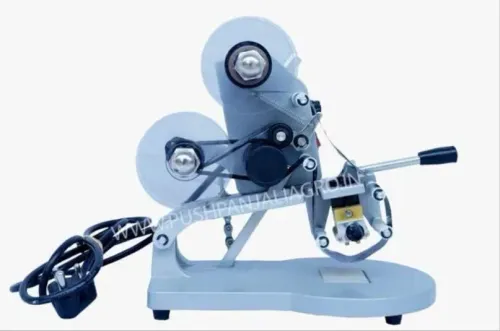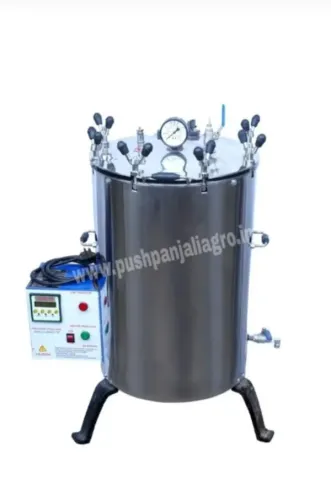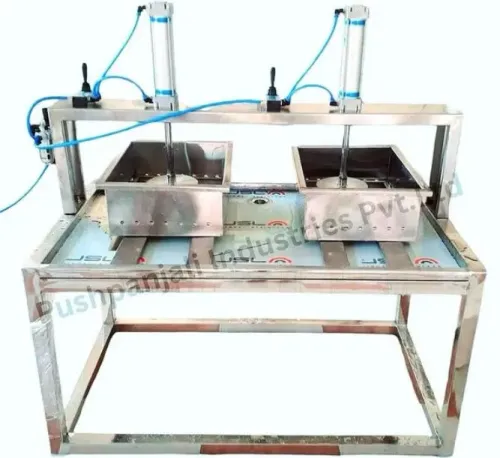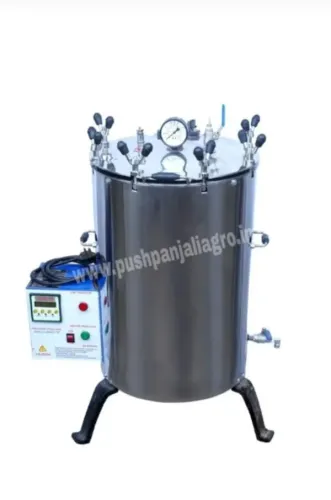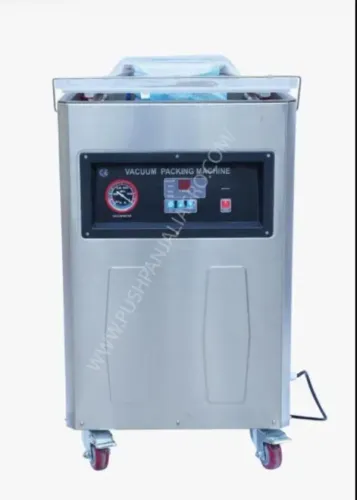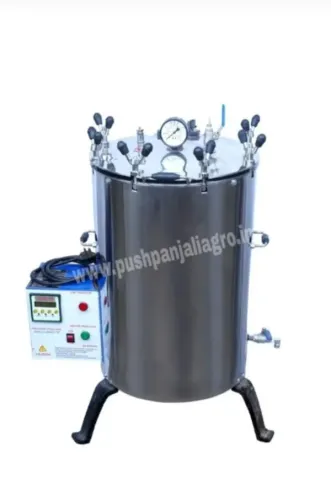
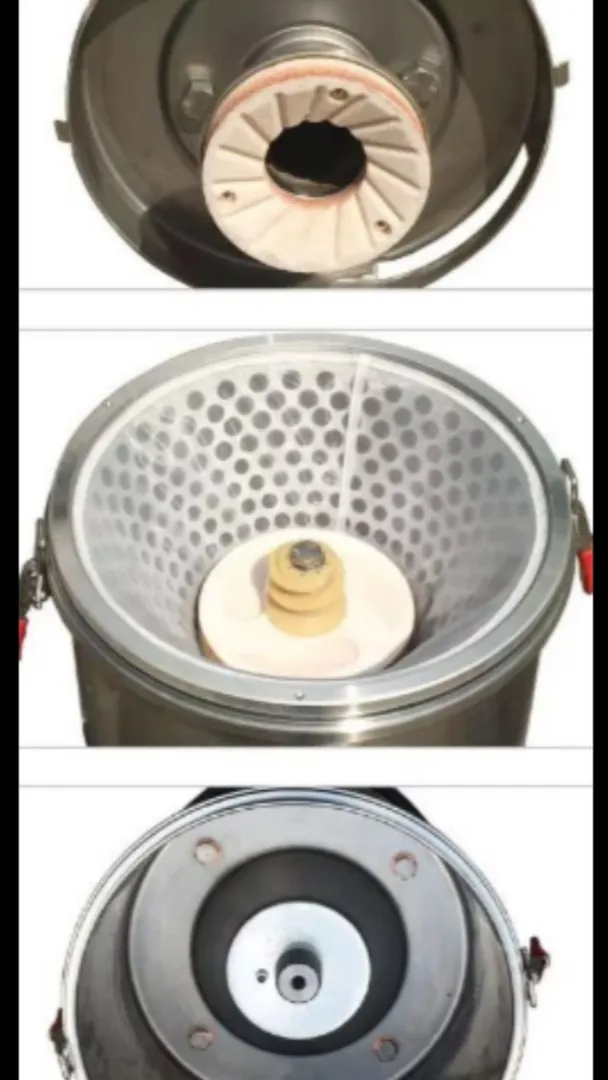
A soy-processing unit can depend on relatively small components to keep production running. Seals, fittings, filters, valves and other replaceable items may cost far less than the main machine, yet their absence can stop an entire production schedule.
Planning Spares and Accessories for Soya Machines is therefore an important part of equipment ownership, especially for businesses operating daily or supplying retailers on fixed schedules.
Identify Critical Components Early
Businesses should not wait for a breakdown before discovering which components require periodic replacement.
During installation or commissioning, ask for a recommended spare-parts list covering normal maintenance and common wear items.
Depending on the machine configuration, this may include components associated with:
- Grinding systems
- Pumps
- Pipelines
- Valves
- Filters
- Heating equipment
- Pressing systems
- Sealing equipment
- Electrical controls
The exact list should come from the equipment specification rather than assumptions.
Separate Critical Spares From General Accessories
Not every component deserves the same stocking priority.
A useful approach is to classify parts into three groups.
Critical spares: failure can stop production immediately.
Routine wear items: replacement is expected after normal use.
Convenience accessories: useful for operation but unlikely to shut down the line if temporarily unavailable.
This helps businesses allocate maintenance budgets intelligently.
Record Part Details
Keeping an equipment register makes future ordering easier.
For every important component, record the machine model, part description, specification, installation date and replacement history.
Photographs can also help maintenance teams identify components correctly when communicating with suppliers.
Do Not Ignore Preventive Maintenance
Waiting for equipment to fail usually creates more disruption than planned inspection.
Operators can establish daily, weekly and periodic checks covering cleaning, unusual noise, leakage, loose connections and wear. Maintenance should follow manufacturer instructions, particularly for electrical or mechanical components requiring trained personnel.
Consider Your Distance From the Supplier
A manufacturer located nearby may receive a replacement quickly, while a customer operating several states away needs to account for transport time.
Businesses sourcing machinery from Panchkula, Haryana, for installation elsewhere in India can reduce this risk by ordering an appropriate starter set of critical spares with the original equipment.
Pushpanjali Industries supplies soy-processing machinery and associated equipment from the region. Before commissioning a new line, buyers can request clarity on consumables, replacement components and maintenance requirements for the selected configuration.
Production reliability is not created by the main machine alone. A modest inventory of correctly selected spares, combined with preventive maintenance and accurate equipment records, can help a food-processing business respond much faster when normal wear occurs.
Keywords